Contact me by telephone at 614-465-6954 or by email at ashea@greenampersandpsychology.com to take your next step toward healing.
I created Green Ampersand Psychology to provide highly individualized, empowering and compassionate mental health services to women across the United States. I have dedicated my career to working with women with complex trauma, reproductive mental health concerns, and women Veterans for over 15 years via services through the Department of Veterans Affairs, specialized trauma centers, and academic medical centers.
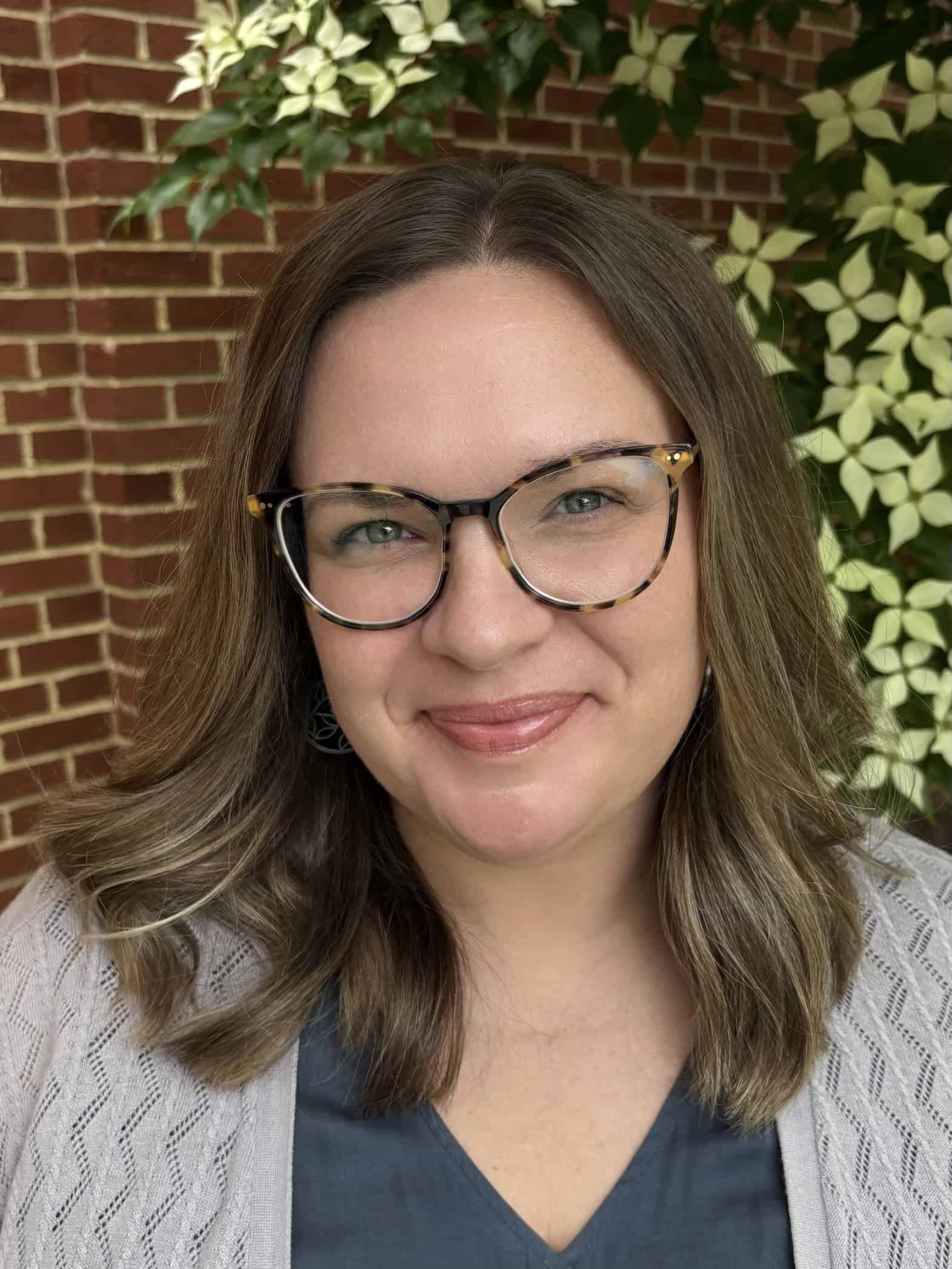
Meet Dr. Amanda Shea
I am a licensed psychologist with over 15 years of experience in psychotherapy. I received my bachelor’s in psychology from The Ohio State University. I earned both my master’s degree and Ph.D. in Clinical Psychology from the Purdue School of Science at IUPUI. I received in-depth training in trauma recovery through Summa Health’s Center for Traumatic Stress and have spent over a decade as a clinical psychologist, Women’s Mental Health coordinator, and Dialectical Behavior Therapy Team Lead at the Central Ohio Veterans Affairs Healthcare System.
When I am not pouring my heart into my life’s work of serving women to address their mental health goals, my favorite place to be is with my husband, our daughter, and our thoroughly spoiled little pup, Gracie Green Bean. I’m an avid reader and particularly enjoy intersectional feminist sci-fi. I also love reading nonfiction centering social justice, including anti-racism, feminism, reproductive justice, and ecological justice. When I’m not reading, I love puttering around in my garden, growing things or working to accepting that they did not grow.

I chose the name Green Ampersand Psychology to reflect the heart of my work: women’s growth, vitality, and possibility.
Green is the color of our renewal and lush flourishing.
The ampersand—the “&”—represents the ANDs of our lives. So often, we get stuck in either/or thinking: I’m strong OR I’m struggling. I love my child OR I feel overwhelmed. I’m grateful OR I’m grieving. In reality, life is rarely that simple. Dialectics, a cornerstone of my therapeutic approach, remind us that two seemingly opposite truths can exist at the same time. The ampersand honors this idea.
You can hold pain and joy. You can acknowledge loss and find meaning. You can accept where you are and keep moving toward where you want to be.
Therapy creates space for the wholeness of your story—not reducing you to one feeling, role, or identity, but helping you weave them together in a way that feels authentic and empowering. At Green Ampersand, we embrace the AND.
Although the world is full of suffering, it is also full of the overcoming of it.
-Helen Keller
Values Statement
My practice is built on the values of women’s empowerment, intersectional feminism, anti-racism, and social justice. I understand that mental health is deeply connected to lived experiences and to the larger systems of inequality many women face — including sexism, racism, immigration stressors, reproductive health barriers, homophobia, transphobia, classism, and the impacts of trauma. I specialize in feminist therapy, trauma therapy, and perinatal mental health, with a focus on challenges such as pregnancy and postpartum transitions, perimenopause, complex trauma, birth trauma, and pregnancy or infant loss. My approach is pro-choice, gender-affirming, and centered on your right to make decisions about your body, family, and future.
In our work together, I will prioritize privacy, safety, and respect. Therapy should be a place where your story is protected, your values are honored, and your voice is central. I bring both clinical expertise and compassion, while also recognizing your resilience and wisdom. Whether you’re navigating a major life transition, healing from trauma, or seeking a therapist who shares your values, I offer a supportive and empowering space to help you reconnect with yourself and build a life that feels aligned and resonant with your values.

Expertise in a Range of Evidence-based Psychotherapies to Meet the Mental Health Needs of Women
At Green Ampersand Psychology, I believe there’s no one-size-fits-all approach to healing. Every woman’s story is unique, and therapy should reflect that. I draw from evidence-based therapies — proven approaches that support real growth. We work as a team to these practices to your needs, goals, and values. Here are some of the approaches I use in my practice:
- Acceptance and Commitment Therapy (ACT)
- ACT helps you build resilience by learning to live in alignment with your values, even in the presence of difficult emotions. It emphasizes mindfulness, acceptance, and committed action — guiding you toward a more meaningful, fulfilling life. ACT can be helpful for women experiencing depression, anxiety, trauma, and a variety of other challenges.
- Interpersonal Psychotherapy (IPT)
- IPT focuses on the important relationships in your life. It helps you understand how your connections, communication patterns, and support systems impact your mood and well-being. Many women find IPT especially helpful for depression, grief, and life transitions. IPT has strong support for pregnant women, postpartum women, and women negotiating the menopause transition.
- Dialectical Behavior Therapy (DBT)
- DBT focuses on building skills for managing intense emotions, reducing self-destructive behaviors, and improving relationships. It blends mindfulness with practical coping strategies and can be helpful for women who have experienced childhood and other trauma in relationships.
- Cognitive Processing Therapy (CPT)
- CPT is a specialized trauma-focused therapy that helps you work through unhelpful beliefs related to traumatic events that are keeping you stuck with PTSD, allowing you to move forward with less guilt, shame, or self-blame.
- Prolonged Exposure (PE)
- PE is an evidence-based trauma therapy that helps you gradually and safely face memories and situations you’ve been avoiding. Over time, this reduces the influence of trauma and restores a sense of safety so that your PTSD symptoms don’t control your life.
- Cognitive Behavioral Therapy (CBT)
- CBT is one of the most widely used approaches for treating anxiety, depression, and trauma. It helps you identify unhelpful thought patterns/behaviors and replace them with healthier ways of thinking and responding.
- Eye Movement Desensitization and Reprocessing (EMDR)
- EMDR is a trauma therapy that helps your brain process and heal from overwhelming traumatic experiences. It’s often used for PTSD, birth trauma, and complex childhood trauma.
- Level II iRest® Teacher
- iRest® is a guided meditation practice backed by research. It supports relaxation, stress reduction, and healing from trauma by helping you connect with your body and inner resources in a grounded way.